
Conversion is Just the Beginning: Nurturing the Entire Customer Journey
By Theo Kountourogiannis, Sr. Creative Content Strategist
The finish line that isn’t
The form is submitted. The contract is signed. The deal moves to closed-won, and somewhere a dashboard ticks up.
Then, for a lot of businesses, things go quiet.
A welcome email goes out, maybe an invoice, maybe a monthly newsletter that looks exactly like the one every other contact receives. The energy that went into winning the customer quietly moves on to winning the next one.
It’s an understandable habit. It’s also one of the most expensive in marketing. The moment someone becomes a customer is when they’re paying the most attention to you. They’ve just made a decision, and they want to know it was the right one. Too often, that’s exactly when they hear from you the least.
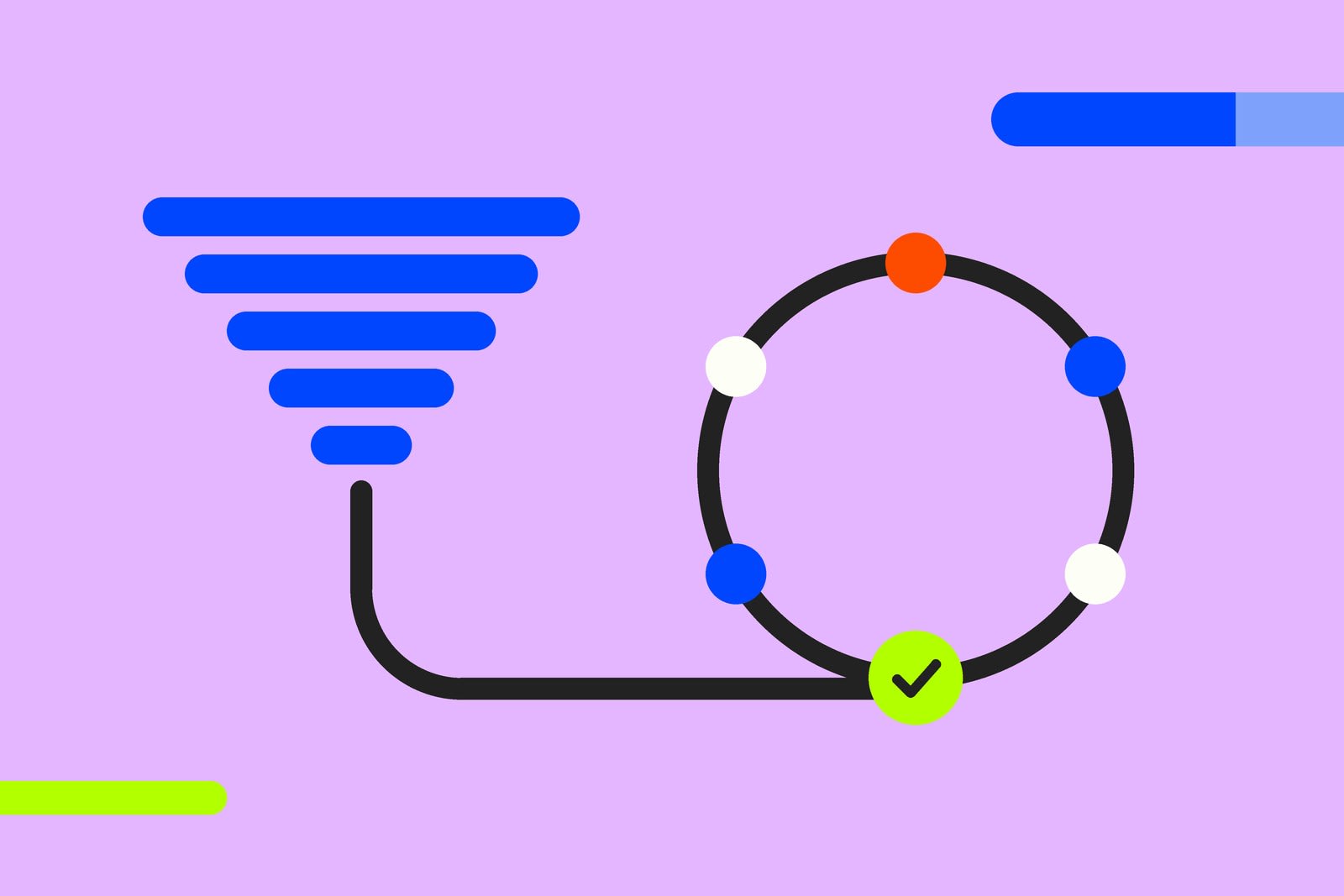
Funnels end. Journeys don’t.
Much of modern marketing is built around the funnel. Attract attention, build interest, drive the conversion. It’s a useful model, but it has a glaring blind spot built right into its shape. A funnel ends at the bottom.
Customers don’t experience it that way. For them, buying is the middle of the story, not the end. They still need to get set up, see results, understand what else you can do for them and decide whether to stay. Each of those moments shapes whether they renew, buy again or recommend you to someone else.
When marketing stops at the conversion, those moments happen by accident. The cost rarely shows up all at once. It shows up gradually: in customers who buy once and never return, in accounts that drift away without anyone noticing until renewal, and in cross-sell and upsell opportunities nobody pursues because nobody owns them.
That’s the gap lifecycle marketing is designed to close. Not more marketing for its own sake, but intentional communication at every stage of the relationship, including the stages most businesses overlook.
What happens after the click
Every business’s journey looks a little different, but the stages after conversion tend to follow a familiar pattern. Each one asks something different of your marketing.
Onboarding. The first few weeks set the tone for everything that follows. New customers need clarity, reassurance and quick wins. This is where expectations are confirmed or quietly broken.
Engagement. Once customers are up and running, the goal is to help them get more value from what they’ve bought. Useful content, timely tips and relevant updates help keep you part of their routine rather than a line item on an invoice.
Growth. Customers who are getting value are the most likely to want more. Cross-sell and upsell work best when they feel like a natural next step, offered at the right moment, based on what the customer actually needs.
Advocacy. Satisfied customers are your most credible marketers. Reviews, referrals and case studies don’t happen on their own. They happen when you make it easy and ask at the right time.
Re-engagement. Not every customer is going to stay active, and that’s normal. Win-back programs recognize the signs of drift early and give people a reason to return before they’re gone for good.
The businesses that do this well don’t treat these stages as separate campaigns. They treat them as one connected relationship.
Why most lifecycle programs stall
Businesses don’t ignore their customers on purpose. When lifecycle marketing falls short, it’s usually for one of three reasons.
The data is disconnected. Sales knows one thing, service knows another, and marketing sees only email opens. Customer information lives in separate tools that don’t talk to each other, so nobody has the full picture. It’s hard to send the right message when you can’t see where someone actually is in their journey.
Every customer gets the same message. Without a full picture, communication defaults to the broadcast: one newsletter, one promotion, one list. A brand-new client and a five-year customer receive identical emails. Neither feels particularly understood.
Nobody owns what happens after the sale. Marketing hands off at conversion. Sales moves on to the next opportunity. Service responds when something goes wrong. The relationship itself, the thing that drives renewals and growth, falls between the cracks.
The fix begins with the foundation: a CRM that brings customer data, marketing and sales in one place. Platforms like HubSpot are built exactly for this. When lifecycle stages, interactions and behaviour all live in a single record, every team works from the same view of the customer.
That shared view is what makes personal, well-timed communications possible at scale.
But a CRM is a tool, not a strategy. What you build on top of it matters more.
The strategy behind the send
This is where a lifecycle campaign blueprint comes in. Think of it as the plan that sits behind every message: who it’s for, why it’s being sent, what it says, how it arrives and what should happen next. Without one, automation just sends the wrong message faster.
To see how it works, picture a managed IT provider that has just signed a new client. Here’s how a blueprint shapes the first stretch of that relationship.
Audience.
Not “all customers,” but new clients in their first 90 days. Within that group, there are at least two people who need different things: the executive who signed the contract and the operations lead who will work with the team day-to-day.
Trigger.
The deal moving to closed-won in the CRM starts the journey automatically. Later messages respond to behaviour, not the calendar: a kickoff call completed, a support portal never logged into, a first quarterly review on the horizon.
Message.
The executive hears about outcomes and what to expect over the first quarter. The operations lead gets practical guidance: who to contact, how to submit a request, what happens in week one. Same company, same moment, different needs.
Channel.
Email does much of the work, but not all of it. A personal note from the account manager, a quick check-in call or an in-portal message can matter more at the right moment. Good blueprints use the channel that fits the message, not the one that’s easiest to automate.
Action.
Every message has a job. Book the kickoff. Log in to the portal. Share feedback after the first month. When someone doesn’t act, the blueprint decides what happens next, whether that’s a reminder, a different approach or an alert for the account manager to reach out personally.
Multiply that across onboarding, engagement, growth, advocacy and re-engagement, and you have something far more valuable than a series of emails. You have a system that responds to each client as an individual, while keeping people involved where their judgment matters most.
Measure what happens next
If conversion is just the beginning, conversion rate can’t be the only measure of success.
Lifecycle marketing asks a broader set of questions: Where are customers dropping off? How quickly do new clients reach their first meaningful result? Which accounts are growing, and which are quietly going cold? How much is each relationship worth over time, not just in its first transaction?
When customer, campaign and revenue data are connected, those questions have answers. Dashboards stop reporting on activity and begin showing impact. And every insight feeds back into the blueprint, so the program evolves and gets sharper the longer it runs.
Build relationships, not just pipelines
Winning a customer is an achievement. But keeping them, growing with them and earning their recommendation is where the real value lives.
That doesn’t happen by accident. It takes connected data, a clear view of the journey and a plan for every stage, built with the same care most businesses reserve for acquisition. The tools to do it have never been more capable. What makes the difference is the strategy at work behind them.
At Delta4, that’s the work we love: helping businesses turn a first conversion into a lasting relationship. Because to us, the click was never the goal. The customer is.
Turn every conversion into a lasting relationship
Ready to get more from the customers you've already won? Let's talk about how Delta4 can help you connect your CRM, map your customer journeys and build lifecycle campaigns that keep clients engaged long after the first click.